

Cataracts
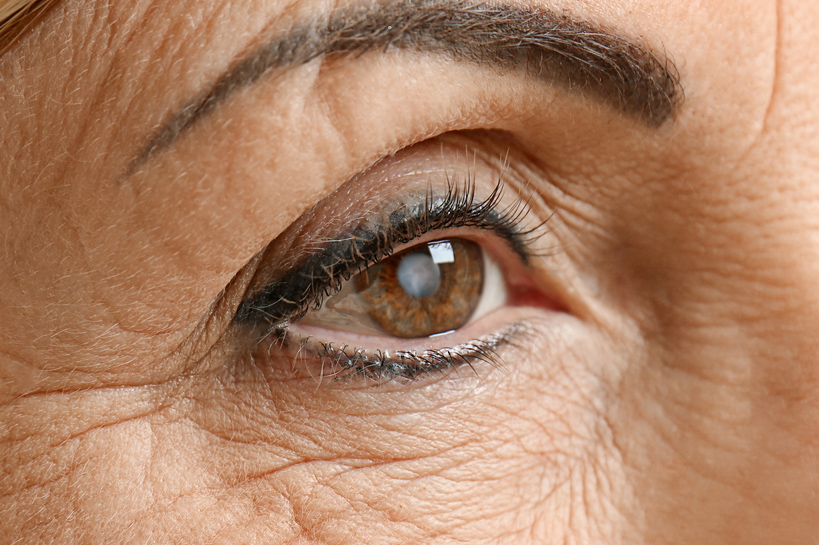
Tips for Protecting Your Vision and Managing Cataracts
Being diagnosed with cataracts doesn't necessarily mean you'll need surgery right away. In the early stages, cataracts may have little impact on your daily activities, and surgery may not be necessary for quite some time.
While there is currently no proven way to prevent or reverse cataracts, certain lifestyle habits can help protect your overall eye health and may help reduce risk factors associated with cataract development.
Here are three important ways to care for your eyes and help preserve your vision.
Protect Your Eyes from the Sun
Long-term exposure to ultraviolet (UV) radiation may increase your risk of developing cataracts. One of the simplest ways to protect your eyes is to wear quality sunglasses whenever you're outdoors.
When choosing sunglasses, look for:
100% UV Protection: Choose sunglasses labeled UV400 or 100% UVA and UVB protection.
Wraparound Frames: Larger lenses or wraparound styles provide additional protection by limiting sunlight entering from the sides.
Comfortable Everyday Wear: Make sunglasses part of your daily routine, even on cloudy days, since UV rays can pass through cloud cover.
A wide-brimmed hat can provide additional protection when spending extended periods outdoors.
Protecting your eyes from UV exposure is an important part of maintaining long-term eye health.
Be Cautious with Steroid Eye Drops
Steroid medications are sometimes prescribed to treat eye inflammation and other medical conditions. While these medications can be beneficial, prolonged or repeated use may increase the risk of certain eye complications, including cataracts and elevated eye pressure.
If you've been diagnosed with cataracts and are using steroid eye drops, talk with your optometrist about your treatment plan.
Never stop using a prescribed medication without consulting your doctor. Your eye care provider can help determine whether adjustments or alternative treatments may be appropriate for your needs.
Review Your Medications
Certain prescription and over-the-counter medications may affect eye health or contribute to cataract development.
Corticosteroids, in particular, are associated with an increased risk of cataracts, especially with prolonged use. Other medications may also have potential effects depending on the drug, dosage, and duration of treatment.
It's important to keep your eye doctor informed about all medications and supplements you're taking. Reviewing your medication history can help your doctors identify potential risks and make informed decisions about your care.
If a medication is necessary for managing another health condition, don't discontinue it on your own. Your healthcare providers can work together to determine the safest approach.
Quit Smoking
If you smoke, quitting is one of the best things you can do for your overall health and your eyes. Research has shown that smoking significantly increases the risk of developing cataracts, with smokers being up to two to three times more likely to develop certain types of cataracts than nonsmokers.
The good news is that quitting smoking can help protect your long-term eye health and reduce your risk of developing additional smoking-related health complications.
It's never too late to make a positive change. Taking steps toward a smoke-free lifestyle is an important investment in your overall wellness and vision.
Follow a Healthy Diet for Better Eye Health
A balanced, nutrient-rich diet plays an important role in maintaining healthy eyes. Foods rich in antioxidants, vitamins, and other essential nutrients help support overall eye health and may be associated with a lower risk of developing age-related eye conditions.
Consider incorporating more of these foods into your diet:
Leafy Greens: Spinach, kale, and other dark leafy vegetables.
Colorful Fruits: Blueberries, strawberries, apples, and plums.
Vegetables: Carrots, sweet potatoes, beets, and red cabbage.
Nuts and Legumes: Pecans, beans, and other nutrient-rich options.
Fish: Salmon, tuna, and other fish containing omega-3 fatty acids.
It's also beneficial to limit highly processed foods and refined carbohydrates while maintaining a balanced diet that supports healthy blood sugar levels.
Although certain nutrients are important for eye health, there is currently no strong evidence that specific foods or supplements can slow an existing cataract. Before starting a multivitamin or nutritional supplement, talk with your doctor about what is appropriate for your individual needs.
Take an Active Role in Protecting Your Vision
Small lifestyle changes can make a meaningful difference in your overall health and well-being. Quitting smoking, eating a balanced diet, protecting your eyes from UV exposure, and scheduling regular comprehensive eye exams are all important steps toward maintaining healthy vision.
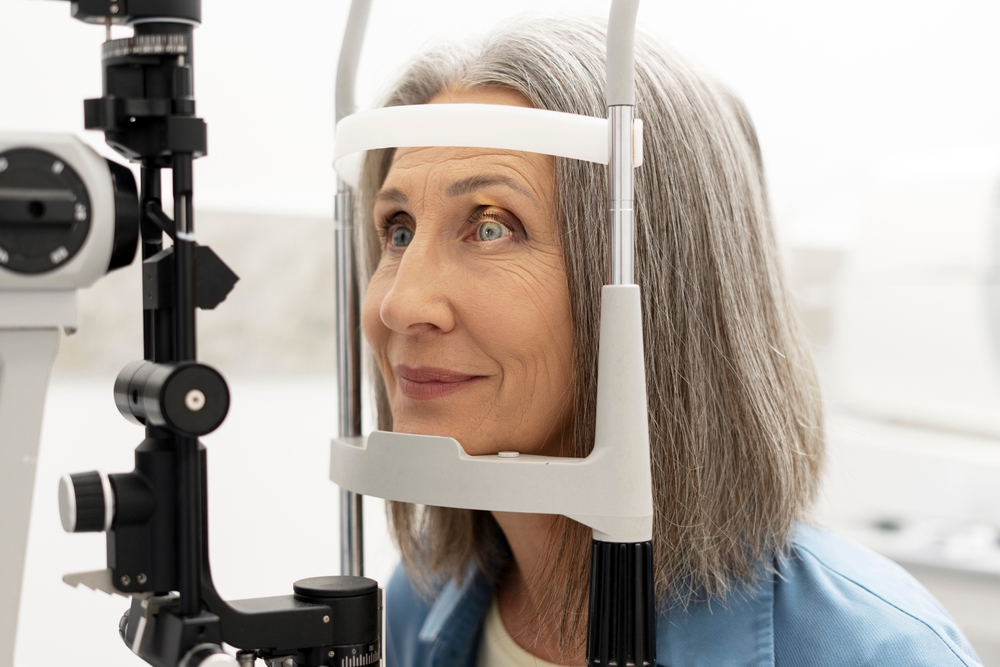
At Vision Source Studio 20/20, we're here to help you understand your cataract diagnosis, monitor changes in your vision, and determine the best approach to your eye care.
Have questions about cataracts or your eye health? Contact us today to schedule an appointment at one of our Charlotte offices.
Services
Learn More
Keep In Touch
Contact UsVisit Us Our Locations
(704) 295-4443
Ballantyne is currently booked until 2027, but you can call or text us to get added to the waitlist!
Hours
- Monday8:00am - 5:00pm
- Tuesday8:00am - 5:00pm
- Wednesday8:00am - 5:00pm
- Thursday10:00am - 7:00pm
- Friday8:00am - 1:00pm
- SaturdayCLOSED
- SundayCLOSED
(704) 510-9239
Hours
- Monday8:00am - 5:00pm
- Tuesday8:00am - 5:00pm
- Wednesday8:00am - 5:00pm
- Thursday10:00am - 7:00pm
- Friday8:00am - 1:00pm
- SaturdayCLOSED
- SundayCLOSED

© 2026 Vision Source Studio 20/20. All rights Reserved. Accessibility Statement - Privacy Policy - Sitemap
Managed and Designed By
