

Eye Disease Treatment
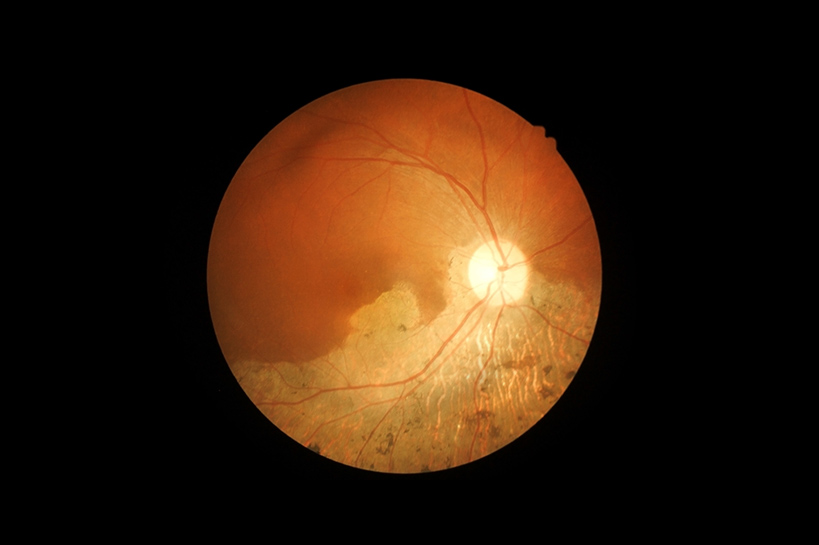
Macular Degeneration
Macular degeneration, commonly referred to as age-related macular degeneration (AMD), is the single largest cause of sight loss in the developed world and affects more than 10 million Americans. It usually affects people over the age of 60, but it has been known to affect those who are younger.
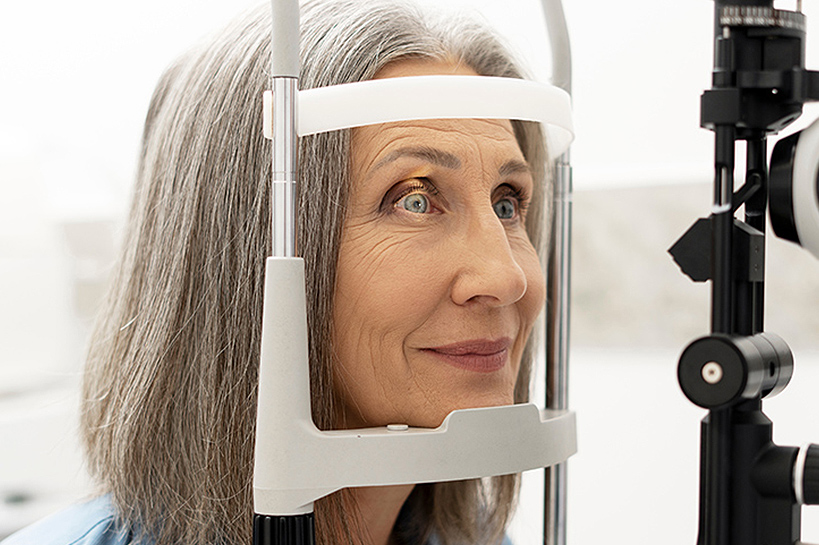
Glaucoma
At present, glaucoma is not curable. However, treatment can significantly slow the progression of the disease. Glaucoma damages your eye's optic nerve. Extra fluid builds up in the front part of your eye (cornea), which increases the pressure in your eye. Reducing this pressure is the primary objective of any glaucoma treatment.

Cataracts
If you’ve been diagnosed with cataracts, you may wonder if cataract surgery is right around the corner. Not to worry. There are many preventive steps you can take to slow the progression of cataracts and preserve your vision. That doesn’t mean you won’t eventually need surgery, but you can at least delay the need for quite a while.
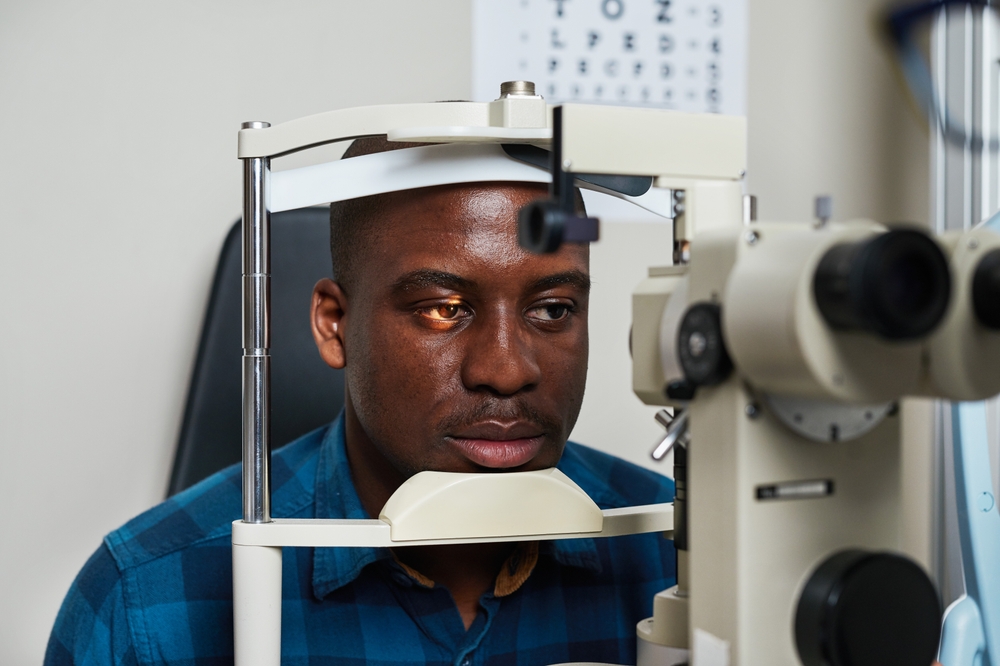
Diabetic Eye Disease
Diabetes occurs when the body is no longer able to regulate its own blood sugar levels and requires intervention to keep them stable. Most people are aware that diabetes can have serious consequences for their health, but you may be surprised to learn that it can also influence your vision. This is because patients who are diabetic can go on to develop a complication known as diabetic retinopathy. Without prompt treatment, diabetic retinopathy can cause permanent vision loss.
Visit Us Our Locations

(704) 295-4443
Ballantyne is currently booked until 2027, but you can call or text us to get added to the waitlist!
Hours
- Monday8:00am - 5:00pm
- Tuesday8:00am - 5:00pm
- Wednesday8:00am - 5:00pm
- Thursday10:00am - 7:00pm
- Friday8:00am - 1:00pm
- SaturdayCLOSED
- SundayCLOSED

(704) 510-9239
Hours
- Monday8:00am - 5:00pm
- Tuesday8:00am - 5:00pm
- Wednesday8:00am - 5:00pm
- Thursday10:00am - 7:00pm
- Friday8:00am - 1:00pm
- SaturdayCLOSED
- SundayCLOSED

© 2026 Vision Source Studio 20/20. All rights Reserved. Accessibility Statement - Privacy Policy - Sitemap
Managed and Designed By
