
Comprehensive Eye Exams
It's About More Than Just Clear Vision
A comprehensive eye exam is an important part of protecting both your vision and your overall health.
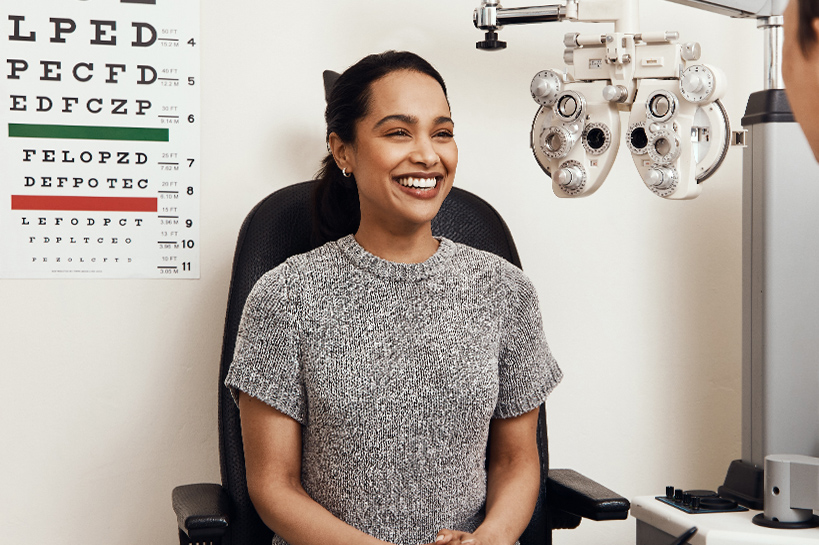
An eye exam does more than determine whether you need glasses or contact lenses. Your optometrist evaluates your vision, checks how well your eyes work together, and screens for common eye diseases and other potential concerns.
In fact, signs of systemic health conditions, including diabetes and high blood pressure, can sometimes be detected during a comprehensive eye exam.
Don't wait until you notice a change in your vision. Make your eye health a priority and schedule your comprehensive eye exam today.
What Does a Comprehensive Eye Exam Include?
Every patient's eyes and vision needs are different. Your optometrist will recommend specific tests based on your age, medical history, and individual risk factors.
A comprehensive eye exam at Vision Source Studio 20/20 may include:
Visual Acuity: Measures the sharpness and clarity of your vision, typically using an eye chart.
Visual Field Testing: Evaluates your peripheral vision and checks for blind spots.
Retinoscopy: Helps estimate your eyeglass prescription.
Refraction: Determines your precise prescription for corrective lenses.
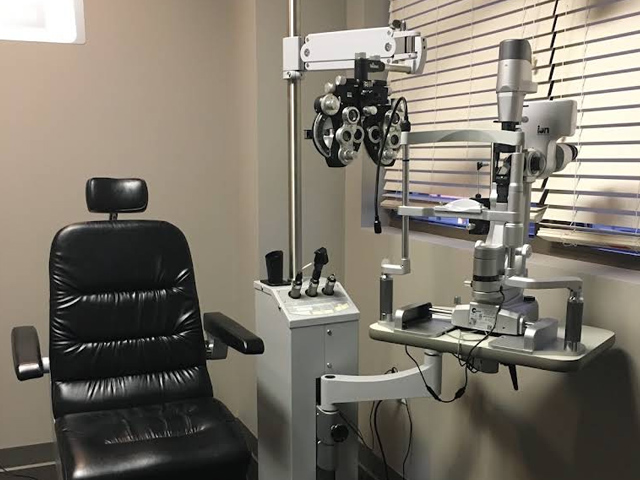
Slit Lamp Examination: Allows your doctor to examine the structures of your eyes and check for common eye conditions.
Retinal Photography: Captures images of the retina to help identify signs of eye disease, including diabetic retinopathy.
Tonometry: Measures the pressure inside your eyes to help screen for glaucoma.
Ophthalmoscopy: Allows your doctor to examine the optic nerve, retina, and blood vessels.
Optomap Ultra-Widefield Retinal Imaging: Captures a detailed, wide-angle image of the retina to help detect potential conditions such as diabetic retinopathy and retinal abnormalities.
How Often Should I Have a Comprehensive Eye Exam?
The recommended frequency of eye exams depends on your age, overall health, vision needs, and risk factors. While many patients benefit from annual exams, your optometrist can recommend a schedule that is right for you.
The American Optometric Association (AOA) provides the following general guidelines:
Children and Teens
6 months of age
3 years of age
Before starting school
Every two years through age 18, unless otherwise recommended by an eye care professional
Adults
Ages 18–60: At least every two years
Ages 61 and older: Annually
Patients with certain health conditions, vision concerns, or other risk factors may need more frequent examinations.
What About Contact Lens Exams?
A comprehensive eye exam and a contact lens evaluation are two separate services. If you currently wear contact lenses or are interested in trying them, you'll need a contact lens examination in addition to your comprehensive eye exam.
During this evaluation, your doctor will assess your eye health, prescription, and corneal shape to determine which contact lenses best suit your eyes and lifestyle. Because contact lens prescriptions are generally valid for one year, annual evaluations are necessary to ensure your lenses continue to provide a healthy, comfortable fit.
Simply let us know when scheduling your appointment that you wear contact lenses or are interested in trying them, and our team will help coordinate the appropriate services.
Make Your Eye Health a Priority
Your vision is an important part of your overall well-being. Regular comprehensive eye exams help protect your sight, monitor your eye health, and identify potential concerns early.
Schedule an appointment with Vision Source Studio 20/20 today. Your eyes deserve exceptional care!
Services
Learn More
Keep In Touch
Contact UsVisit Us Our Locations
(704) 295-4443
Ballantyne is currently booked until 2027, but you can call or text us to get added to the waitlist!
Hours
- Monday8:00am - 5:00pm
- Tuesday8:00am - 5:00pm
- Wednesday8:00am - 5:00pm
- Thursday10:00am - 7:00pm
- Friday8:00am - 1:00pm
- SaturdayCLOSED
- SundayCLOSED
(704) 510-9239
Hours
- Monday8:00am - 5:00pm
- Tuesday8:00am - 5:00pm
- Wednesday8:00am - 5:00pm
- Thursday10:00am - 7:00pm
- Friday8:00am - 1:00pm
- SaturdayCLOSED
- SundayCLOSED
© 2026 Vision Source Studio 20/20. All rights Reserved. Accessibility Statement - Privacy Policy - Sitemap
Managed and Designed By
