

Diabetic Eye Disease
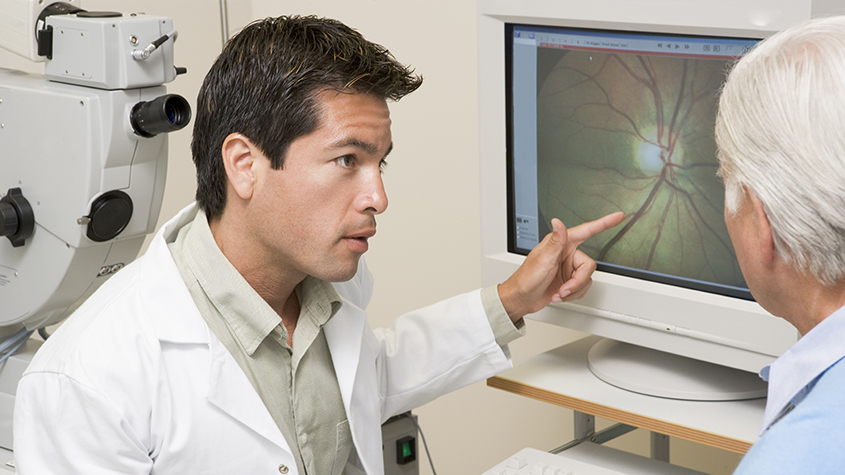
Diabetes and Your Eye Health: Understanding Diabetic Retinopathy
Diabetes is one of the most common chronic health conditions in the United States, affecting millions of Americans. While most people understand how diabetes can impact overall health, its effects on vision are often overlooked.
When blood sugar levels remain elevated over time, the small blood vessels throughout the body can become damaged, including those inside the eyes. This can lead to a condition called diabetic retinopathy, which can cause permanent vision loss if left untreated.
The good news is that regular diabetic eye exams can help detect early changes, allowing your eye doctor to monitor your eye health and recommend treatment when necessary.
At Vision Source Studio 20/20, we're committed to helping patients with diabetes protect their vision through early detection and ongoing eye care.
What Is Diabetic Retinopathy?
Diabetic retinopathy is an eye condition caused by damage to the small blood vessels in the retina as a result of diabetes.
The retina is the light-sensitive tissue located at the back of the eye. It captures incoming light and converts it into signals that travel through the optic nerve to the brain, allowing us to see.
To function properly, the retina relies on a healthy network of tiny blood vessels that supply oxygen and nutrients. Over time, elevated blood sugar levels can damage these vessels, causing them to leak fluid or blood into the retina.
As the condition progresses, abnormal blood vessels may develop, leading to swelling, scarring, and damage to retinal tissue. Without appropriate treatment, diabetic retinopathy can cause significant and potentially permanent vision loss.
One of the most concerning aspects of diabetic retinopathy is that it may develop without noticeable symptoms during its early stages. This makes routine diabetic eye examinations especially important.
Am I at Risk for Diabetic Retinopathy?
Anyone with Type 1 or Type 2 diabetes can develop diabetic retinopathy. Your risk generally increases the longer you have diabetes, particularly if blood sugar levels are not well controlled.
Additional risk factors include:
Poor Blood Sugar Control: Consistently elevated blood glucose levels can increase damage to the retinal blood vessels.
Duration of Diabetes: The longer you've had diabetes, the greater your risk of developing retinal complications.
High Blood Pressure: Hypertension can contribute to damage in the small blood vessels throughout the body, including the eyes.
High Cholesterol: Elevated cholesterol levels may increase the risk of certain diabetic eye complications.
Pregnancy: Women with diabetes may experience an increased risk of diabetic retinopathy progression during pregnancy.
Managing your blood sugar, blood pressure, and cholesterol can help reduce your risk of developing diabetic eye complications.
Why Are Regular Diabetic Eye Exams Important?
Diabetic retinopathy can progress without obvious warning signs. You may have healthy-looking vision and still have changes occurring inside your eyes.
A comprehensive diabetic eye examination allows your eye doctor to evaluate the retina, identify early signs of damage, and monitor changes over time.
Early detection is essential because appropriate treatment can help slow disease progression and reduce the risk of serious vision loss.
At Vision Source Studio 20/20, we encourage patients with diabetes to make routine eye examinations an important part of their overall healthcare plan.
What to Expect During a Diabetic Eye Exam
If you have diabetes, regular eye exams are an important part of protecting your vision. The good news is that a diabetic eye exam is typically simple, comfortable, and non-invasive.
During your appointment, your eye doctor will evaluate your vision and examine the health of your retina to look for early signs of diabetic retinopathy and other diabetes-related eye complications.
What Happens During a Diabetic Eye Exam?
A diabetic eye examination may include several tests designed to evaluate your vision and the overall health of your eyes.
Pupil Dilation
Your doctor may use special eye drops to dilate (widen) your pupils. This allows for a better view of the retina and the blood vessels at the back of your eyes.
The drops may cause brief stinging when applied. Your vision may become temporarily blurry, and your eyes may be more sensitive to light for several hours afterward.
Retinal Imaging
Your eye doctor may use specialized digital imaging equipment to photograph the back of your eyes.
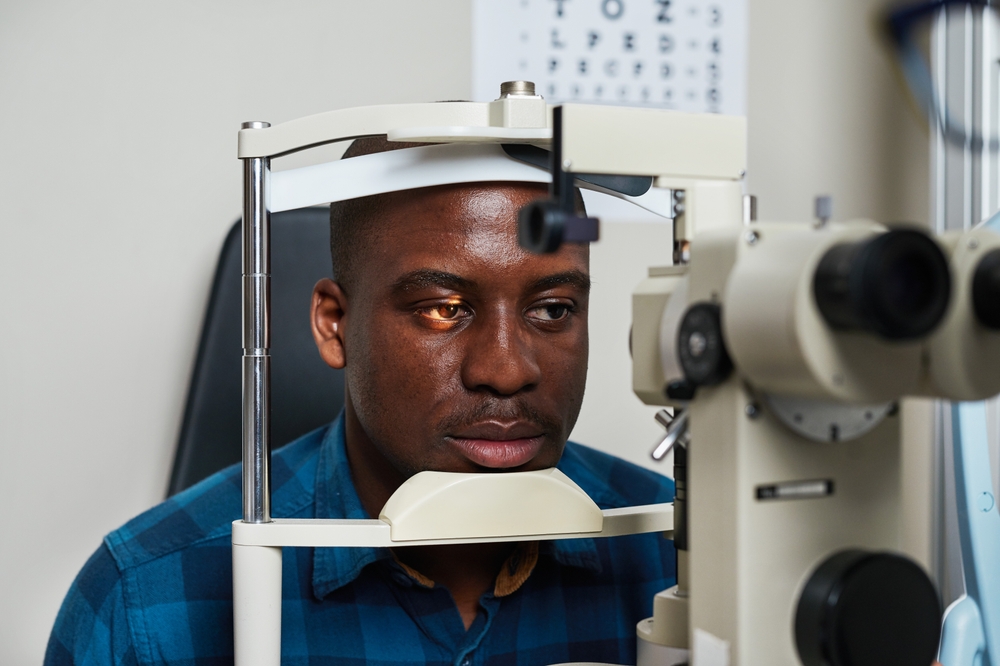
During this process, you'll rest your chin and forehead against a support and look into the camera. The device captures detailed images of the retina, allowing your doctor to identify potential abnormalities, including bleeding, swelling, or changes in the retinal blood vessels.
You may notice a brief flash of light as each image is taken, but the imaging process is painless.
Some retinal imaging can be performed without dilating your pupils, although dilation may still be recommended depending on your individual needs.
Visual Acuity Testing
Your doctor will also evaluate how clearly you see at different distances.
This typically involves reading letters on an eye chart across the room and smaller print on a handheld reading card. These tests help assess your central vision and identify changes that may require further evaluation.
What Happens After Your Examination?
Once your examination is complete, your eye doctor will review the findings and discuss the health of your retina.
If signs of diabetic retinopathy or other complications are detected, your doctor will explain the findings and recommend appropriate next steps.
Depending on the severity of the condition, recommendations may include:
Monitoring your retinal health through regular follow-up examinations.
Working with your primary care physician or diabetes specialist to improve blood sugar control.
Managing blood pressure and cholesterol.
Referral to a retinal specialist for additional evaluation or treatment.
Medical or surgical treatment when necessary to help preserve vision.
Early detection is especially important because diabetic retinopathy can develop without noticeable symptoms. Identifying changes before they affect your vision gives you a better opportunity to receive timely care.
Have questions about diabetic eye exams? Contact our knowledgeable team today to schedule an appointment at one of our Charlotte locations.
Services
Learn More
Keep In Touch
Contact UsVisit Us Our Locations
(704) 295-4443
Ballantyne is currently booked until 2027, but you can call or text us to get added to the waitlist!
Hours
- Monday8:00am - 5:00pm
- Tuesday8:00am - 5:00pm
- Wednesday8:00am - 5:00pm
- Thursday10:00am - 7:00pm
- Friday8:00am - 1:00pm
- SaturdayCLOSED
- SundayCLOSED

(704) 510-9239
Hours
- Monday8:00am - 5:00pm
- Tuesday8:00am - 5:00pm
- Wednesday8:00am - 5:00pm
- Thursday10:00am - 7:00pm
- Friday8:00am - 1:00pm
- SaturdayCLOSED
- SundayCLOSED

© 2026 Vision Source Studio 20/20. All rights Reserved. Accessibility Statement - Privacy Policy - Sitemap
Managed and Designed By
