

Glaucoma Treatment
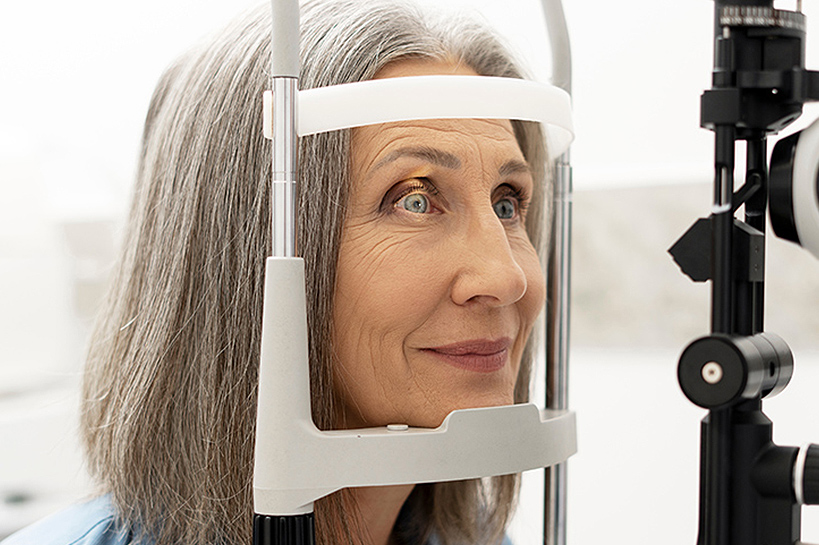
Advances in Glaucoma Treatment
If you've been diagnosed with glaucoma, you're likely familiar with the traditional treatment options, including prescription eye drops, laser procedures, and surgery. These treatments have helped many patients manage glaucoma and protect their vision.
However, advances in eye care continue to introduce new approaches designed to make glaucoma treatment more effective, convenient, and manageable. Researchers are exploring innovative ways to deliver medication, reduce side effects, and decrease the need for daily eye drops.
At Vision Source Studio 20/20, we believe understanding your treatment options is an important part of protecting your long-term vision.
What Is the Goal of Glaucoma Treatment?
Although there is currently no cure for glaucoma, early diagnosis and appropriate treatment can help slow its progression and reduce the risk of permanent vision loss.
Glaucoma is a group of eye diseases that damage the optic nerve, which carries visual information from the eye to the brain. One of the most common contributing factors is increased intraocular pressure (IOP), which occurs when fluid inside the eye does not drain properly.
The primary goal of most glaucoma treatments is to lower eye pressure and reduce stress on the optic nerve. Depending on the type and severity of glaucoma, your eye doctor may recommend medication, laser treatment, surgery, or a combination of approaches.
Because glaucoma often develops without noticeable symptoms in its early stages, regular eye examinations and ongoing monitoring are essential.
What Are the Limitations of Traditional Glaucoma Treatments?
Traditional glaucoma treatments are effective for many patients, but they can present challenges that make long-term management difficult.
Prescription Eye Drops
Prescription eye drops are one of the most common treatments for glaucoma. They work by either reducing the amount of fluid produced inside the eye or improving the drainage of that fluid to lower eye pressure.
However, daily eye drops can be challenging for several reasons:
Application Difficulties: Some patients, particularly older adults, may have difficulty administering drops accurately.
Daily Medication Requirements: Remembering to use eye drops consistently can become difficult, especially when multiple medications are prescribed.
Unnoticeable Benefits: Glaucoma often has no early symptoms, so patients may not immediately notice the benefits of treatment.
Potential Side Effects: Some medications can cause redness, burning, irritation, or other unwanted effects.
Consistent use is essential because untreated or poorly controlled glaucoma can lead to progressive and irreversible vision loss.
Laser Treatment
Laser procedures offer another option for managing glaucoma. Depending on the type of glaucoma, laser treatment can help improve fluid drainage or reduce fluid production inside the eye.
Many laser procedures are minimally invasive and can reduce the need for medication or help improve eye pressure control. However, results vary, and some patients may still need prescription eye drops or additional treatment.
Traditional Glaucoma Surgery
When medications and laser treatments are not sufficient to control eye pressure, surgery may be recommended.
Traditional glaucoma surgery creates a new drainage pathway or improves the movement of fluid out of the eye. Although these procedures can be effective, they require careful postoperative monitoring and recovery.
Potential complications include inflammation, infection, bleeding, changes in eye pressure, and an increased risk of cataracts with certain procedures.
Your eye doctor will consider the potential benefits and risks when determining the most appropriate treatment.
What Are the Latest Advances in Glaucoma Treatment?
Researchers and eye care professionals continue to explore new technologies designed to improve glaucoma management. Many of these developments focus on making medication delivery more convenient while reducing the challenges associated with daily eye drops.
Alternatives to Traditional Eye Drops
Several innovative drug-delivery technologies are being developed and studied, including:
Medication-Releasing Contact Lenses: Specially designed materials that gradually release glaucoma medication over an extended period.
Microneedle Technology: Tiny needles designed to deliver medication to targeted areas of the eye.
Extended-Release Implants: Small devices placed in or around the eye that gradually release medication over time.
Advanced Drug-Delivery Systems: Specialized polymers and microscopic particles designed to provide controlled, sustained medication release.
Improved Eye Drop Formulations: New formulations designed to help medications reach their intended target more effectively.
Medicated Punctal Plugs: Small devices placed in the tear drainage openings that can release medication over time.
These technologies aim to improve medication consistency, reduce the burden of daily eye drops, and make long-term glaucoma management easier for patients. Some are still under investigation, while others have entered clinical use.
Combination Glaucoma Eye Drops
Another advancement is the availability of combination medications that contain two active ingredients in a single bottle.
For patients who require multiple medications to control eye pressure, combination drops can simplify their treatment routine and reduce the number of separate bottles they need to use.
Examples include:
Cosopt: Combines timolol and dorzolamide.
Combigan: Combines timolol and brimonidine.
Simbrinza: Combines brinzolamide and brimonidine.
By combining medications with different mechanisms of action, these treatments can help lower eye pressure while making daily treatment routines more manageable.
Protect Your Vision with Personalized Glaucoma Care
Glaucoma treatment continues to evolve, offering patients more options for managing the condition and protecting their vision.
The best treatment depends on several factors, including the type of glaucoma, disease severity, eye pressure, overall eye health, and individual lifestyle needs.
At Vision Source Studio 20/20, our doctors are committed to detecting glaucoma early, monitoring changes in eye health, and helping patients understand their treatment options.

Minimally Invasive Glaucoma Surgery (MIGS)
Minimally Invasive Glaucoma Surgery (MIGS) offers a newer approach to managing glaucoma with less disruption to the eye's surrounding tissues than traditional glaucoma surgery.
These procedures use tiny incisions and specialized instruments or implants to improve fluid drainage from the eye, helping reduce intraocular pressure (IOP) and protect the optic nerve from further damage.
Some MIGS procedures, such as those involving the iStent, can be performed at the same time as cataract surgery. While cataract surgery alone may lower eye pressure in some patients, combining it with a MIGS procedure may provide additional pressure reduction and decrease the need for glaucoma medications.
One of the key advantages of MIGS is that these procedures generally involve less tissue disruption and a faster recovery than traditional glaucoma surgery. They may also preserve more options for future treatment if additional intervention becomes necessary.
MIGS can be an effective option for certain patients, particularly those with mild to moderate glaucoma. Your eye doctor can help determine whether this approach is appropriate for your individual needs.
Monitoring Your Eye Pressure
Regularly monitoring intraocular pressure (IOP) is an important part of managing glaucoma. Tracking changes in eye pressure helps your doctor evaluate how well your treatment is working and determine whether adjustments are needed.
For patients who need more frequent measurements, technology now makes it possible to monitor eye pressure at home.
The iCare HOME tonometer is a handheld device that allows patients to measure their eye pressure independently. Unlike traditional methods, it does not require a puff of air or anesthetic eye drops, making the process more convenient and comfortable.
Patients can share their recorded measurements with their eye care provider, allowing doctors to better understand changes in eye pressure throughout the day and make more informed treatment decisions.
Home monitoring can be especially helpful because eye pressure naturally fluctuates, and measurements taken during a routine office visit may not capture every change.
Stay Ahead of Glaucoma
Although glaucoma cannot currently be cured, it can often be successfully managed with early detection, appropriate treatment, and regular monitoring.
Advances in glaucoma care continue to provide new opportunities to preserve vision, improve comfort, and make treatment more convenient.
At Vision Source Studio 20/20, we're committed to helping you understand your options and find the most appropriate approach to protecting your vision.
Have questions about glaucoma or your treatment options? Contact us today to schedule an appointment at one of our Charlotte offices.
Services
Learn More
Keep In Touch
Contact UsVisit Us Our Locations
(704) 295-4443
Ballantyne is currently booked until 2027, but you can call or text us to get added to the waitlist!
Hours
- Monday8:00am - 5:00pm
- Tuesday8:00am - 5:00pm
- Wednesday8:00am - 5:00pm
- Thursday10:00am - 7:00pm
- Friday8:00am - 1:00pm
- SaturdayCLOSED
- SundayCLOSED
(704) 510-9239
Hours
- Monday8:00am - 5:00pm
- Tuesday8:00am - 5:00pm
- Wednesday8:00am - 5:00pm
- Thursday10:00am - 7:00pm
- Friday8:00am - 1:00pm
- SaturdayCLOSED
- SundayCLOSED

© 2026 Vision Source Studio 20/20. All rights Reserved. Accessibility Statement - Privacy Policy - Sitemap
Managed and Designed By
