
Macular Degeneration
Age-Related Macular Degeneration (AMD)
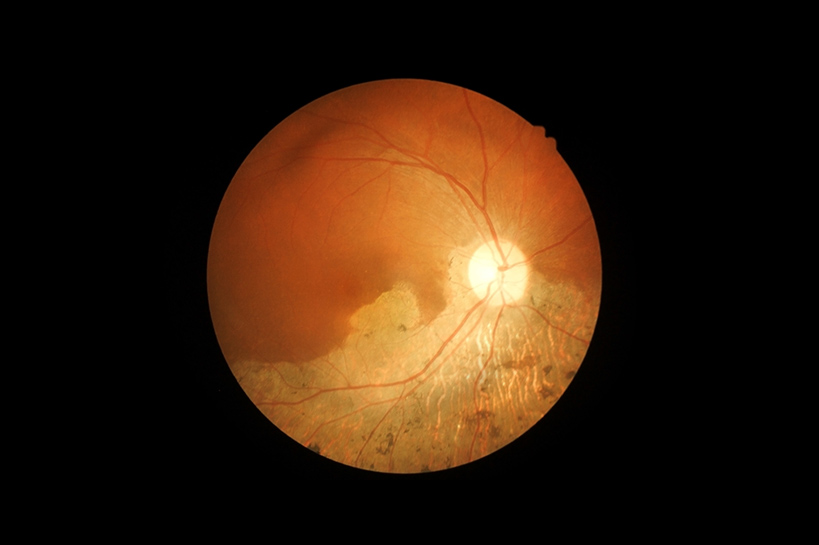
Age-related macular degeneration (AMD) is a progressive eye condition that affects the macula, the part of the retina responsible for sharp, detailed central vision. It is one of the leading causes of vision loss among adults over the age of 60 and affects millions of Americans.
AMD typically develops gradually and is often painless. It can affect one or both eyes and may make everyday activities such as reading, driving, recognizing faces, and seeing fine details increasingly difficult.
Although AMD can cause significant loss of central vision, it generally does not affect peripheral (side) vision and does not typically lead to complete blindness.
What Is the Macula?
The macula is a small but highly specialized area located near the center of the retina, the light-sensitive tissue at the back of the eye.
It is responsible for central vision and allows us to see fine details, recognize faces, read, and distinguish colors. When the macula becomes damaged, these everyday visual tasks can become increasingly difficult.
Types of Age-Related Macular Degeneration
There are two main forms of AMD: dry and wet. Both affect central vision, but they develop differently and may require different approaches to treatment.
Dry AMD
Dry AMD is the most common form of age-related macular degeneration. It occurs when cells in the macula gradually break down, leading to thinning and deterioration of the retinal tissue.
The condition typically progresses slowly, although the rate of progression varies from person to person. Some patients experience minimal vision changes, while others may develop more significant central vision loss over time.
In some cases, dry AMD can progress to geographic atrophy, an advanced form of the disease that causes permanent damage to areas of the retina.
Patients with dry AMD should have regular eye examinations to monitor changes in their retinal health and identify any signs of progression.
Wet AMD
Wet AMD is a less common but often more aggressive form of macular degeneration.
It develops when abnormal blood vessels grow beneath or into the macula. These vessels can leak blood or fluid, damaging the surrounding retinal tissue and causing rapid changes in central vision.
Unlike dry AMD, wet AMD can progress quickly and may cause sudden or significant vision loss. Early diagnosis and treatment are essential to help preserve vision.
Treatment options, including medications that help control abnormal blood vessel growth, can often slow the progression of wet AMD and help stabilize or improve vision.

Symptoms of Macular Degeneration
Age-related macular degeneration (AMD) affects everyone differently. In its early stages, it may cause few noticeable symptoms, making regular comprehensive eye exams especially important.
As the condition progresses, damage to the macula can lead to changes in central vision. Common symptoms include:
Distorted Vision: Straight lines, such as door frames or lampposts, may appear bent or wavy.
Dark or Blurry Spots: Dark, blank, or blurry areas may develop in the center of your vision.
Faded Colors: Colors may appear less vibrant or become more difficult to distinguish.
Difficulty Adjusting to Changes in Lighting: Moving between bright and dim environments may become more challenging.
Blurred Central Vision: Reading, recognizing faces, and seeing fine details may become increasingly difficult.
Changes in Object Appearance: Objects may appear distorted, smaller, larger, or differently shaped.
Light Sensitivity: Bright lights may become uncomfortable or difficult to tolerate.
Reading Difficulties: Letters or words may appear missing, distorted, or difficult to follow.
If you notice sudden changes in your central vision, particularly new distortion or dark spots, seek prompt evaluation by an eye care professional. Early detection is important for protecting your remaining vision.
Can I Reduce My Risk of Developing AMD?
Although there is currently no guaranteed way to prevent age-related macular degeneration, certain lifestyle choices may help reduce your risk and support long-term eye health.
Some of the most important steps include:
Avoid Smoking: Smoking is one of the strongest modifiable risk factors for AMD. Quitting can help protect your long-term eye health.
Eat a Nutrient-Rich Diet: Include plenty of leafy green vegetables, colorful fruits, and foods rich in vitamins and antioxidants.
Maintain a Healthy Weight: A healthy weight and balanced diet can support overall health.
Stay Physically Active: Regular exercise supports cardiovascular health and overall wellness.
Limit Alcohol Consumption: Moderate your alcohol intake as part of a healthy lifestyle.
Schedule Regular Eye Exams: Routine retinal evaluations can help detect early signs of AMD before noticeable vision changes occur.
Age and family history are also important risk factors. While you cannot change these factors, knowing your risk can help you take a proactive approach to monitoring your eye health.
For some patients with intermediate or advanced AMD, specific nutritional supplements known as AREDS2 formulations may help slow disease progression. However, these supplements are not appropriate for everyone and should only be taken under the guidance of your eye care professional.
What Are the Treatment Options for AMD?
Although there is currently no cure for age-related macular degeneration, several treatment and management options can help slow its progression, preserve vision, and support quality of life. Treatment depends on the type and severity of the condition.
Treatment for Dry AMD
Dry AMD is generally managed through regular monitoring, lifestyle modifications, and, for certain patients, nutritional supplementation.
Depending on the stage of the disease, your eye doctor may recommend:
AREDS2 Supplements: Specific combinations of vitamins and minerals have been shown to help slow progression in some patients with intermediate AMD or certain cases of advanced AMD.
Healthy Lifestyle Habits: A nutrient-rich diet, regular exercise, and avoiding smoking can support overall eye health.
Regular Monitoring: Routine eye examinations and retinal imaging help track changes and identify disease progression.
Low Vision Aids: Magnifying devices, specialized lighting, and other visual aids can make reading and everyday activities easier.
For certain patients with geographic atrophy, an advanced form of dry AMD, medications that target complement-system activity may also be available to slow the growth of retinal damage.
Treatment for Wet AMD
Wet AMD requires prompt medical attention because it can cause rapid and significant changes in central vision.
The most common treatment involves medications called anti-VEGF (anti-vascular endothelial growth factor) injections. These medications are administered into the eye and help block the growth of abnormal blood vessels that can leak fluid or blood beneath the retina.
Treatment can help slow further damage, stabilize vision, and, in some cases, improve vision. Patients typically require ongoing monitoring and repeated treatments.
In certain situations, laser treatments or other specialized therapies may be considered, depending on the location and characteristics of the abnormal blood vessels.
Protect Your Vision with Regular Eye Care
Early detection and ongoing monitoring are essential when it comes to managing macular degeneration. Even if you aren't experiencing noticeable symptoms, routine comprehensive eye exams can help identify changes in your retinal health.
At Vision Source Studio 20/20, we're committed to helping you maintain healthy vision through early detection, personalized care, and ongoing monitoring.
Have questions or concerns about macular degeneration? Contact us today to schedule an appointment at one of our offices. Your long-term vision is worth protecting!
Services
Learn More
Keep In Touch
Contact UsVisit Us Our Locations
(704) 295-4443
Ballantyne is currently booked until 2027, but you can call or text us to get added to the waitlist!
Hours
- Monday8:00am - 5:00pm
- Tuesday8:00am - 5:00pm
- Wednesday8:00am - 5:00pm
- Thursday10:00am - 7:00pm
- Friday8:00am - 1:00pm
- SaturdayCLOSED
- SundayCLOSED

(704) 510-9239
Hours
- Monday8:00am - 5:00pm
- Tuesday8:00am - 5:00pm
- Wednesday8:00am - 5:00pm
- Thursday10:00am - 7:00pm
- Friday8:00am - 1:00pm
- SaturdayCLOSED
- SundayCLOSED
© 2026 Vision Source Studio 20/20. All rights Reserved. Accessibility Statement - Privacy Policy - Sitemap
Managed and Designed By
